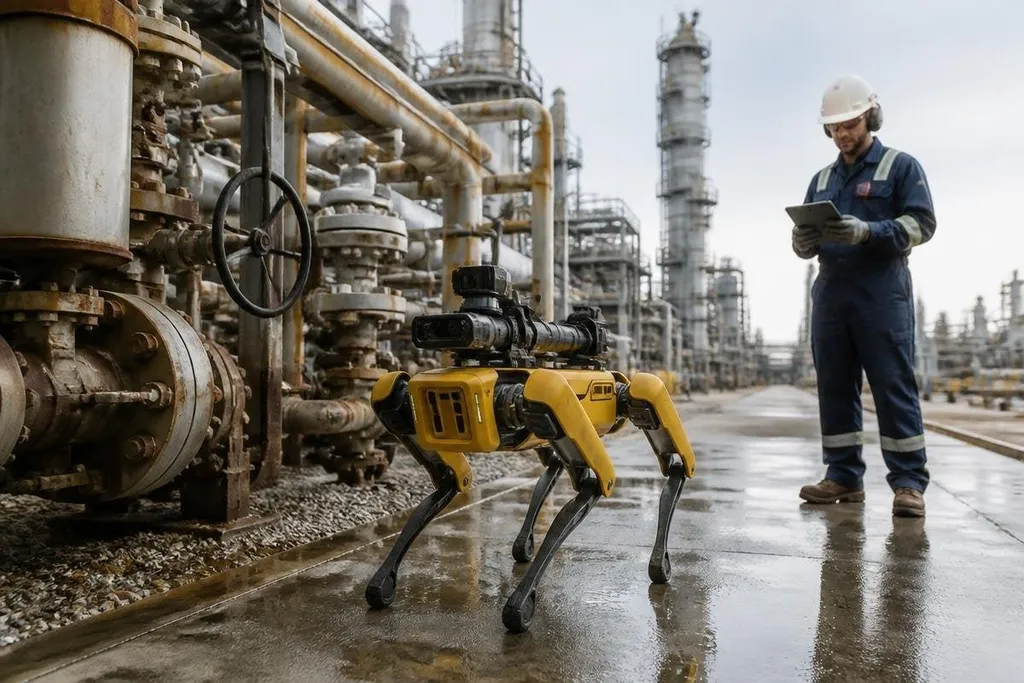
Understanding Edge Computing
In today’s rapidly evolving technological landscape, edge computing has emerged as a pivotal solution designed to enhance data processing efficiency and reduce latency. By bringing computation and data storage closer to the sources of data generation, such as IoT devices and local sensors, edge computing offers significant advantages for both organizations and individual users. This article delves into the multifaceted world of edge computing, exploring its architecture, applications, and future trends that will shape the industry through 2026 and beyond. If you’re looking to understand the nuances of edge computing, you're in the right place.
What is Edge Computing?
Edge computing refers to a distributed computing paradigm that processes data at or near the source of data generation rather than relying solely on centralized cloud services. In essence, it pushes computing resources to the edge of the network, enabling real-time data processing and analysis. This model is particularly important for applications requiring immediate insights, such as autonomous vehicles, smart cities, and industrial automation.
Key Benefits of Edge Computing
- Reduced Latency: By processing data closer to the source, edge computing drastically cuts down the time taken to deliver insights, making it ideal for applications like autonomous driving.
- Bandwidth Efficiency: With less data needing to be sent to the central cloud, edge computing minimizes bandwidth usage, leading to cost savings.
- Enhanced Security: Data processed at the edge can be more effectively secured, reducing the risk of exposure during transmission.
- Improved Reliability: Localized processing can continue even during network outages, ensuring critical operations remain functional.
Common Misconceptions about Edge Computing
Despite its advantages, several misconceptions surround edge computing. A prevalent one is that edge computing is merely an extension of cloud computing. While they are complementary, edge computing's primary focus is on local processing, providing unique benefits that centralized solutions cannot match. Additionally, some believe that edge computing is only relevant for IoT devices; in reality, it applies to a wide range of sectors, including healthcare, finance, and retail.
Edge Computing Architecture
Components of Edge Computing Infrastructure
The architecture of edge computing involves several key components, including:
- Edge Devices: These are the IoT sensors, gateways, and other devices that generate data.
- Edge Servers: Local servers that process data generated by edge devices, reducing the need for cloud processing.
- Network Infrastructure: This includes routers and switches that facilitate communication between edge devices and gateways.
Designing Efficient Edge Networks
Creating an efficient edge network requires careful planning and design. This includes optimizing the placement of edge devices and servers to minimize latency and maximize processing power. Network topologies must be considered, as well as the integration of machine learning algorithms that can enhance data processing capabilities at the edge.
Integration with Existing Cloud Solutions
Seamless integration between edge computing and cloud systems is essential for maximizing benefits. Organizations can leverage cloud resources for data storage and backup while relying on edge computing for real-time processing. This hybrid model allows businesses to optimize their operations and address various use cases efficiently.
Applications of Edge Computing
Real-World Use Cases
Edge computing is being utilized across various sectors. In healthcare, for instance, remote patient monitoring systems can analyze data from wearable devices in real-time, providing immediate insights to healthcare providers. In manufacturing, edge computing supports smart factories where machines communicate and process data autonomously.
Industry-Specific Applications
Different industries are adopting edge computing for distinct applications:
- Telecommunications: Telecom operators use edge computing to manage data traffic efficiently and deliver services like 5G.
- Transportation: Autonomous vehicles leverage edge computing to process data from sensors, ensuring safe navigation.
- Retail: Retailers employ edge computing to enhance customer experiences through real-time analytics and personalized services.
Innovative Solutions and Startups
Numerous startups are emerging in the edge computing space, introducing innovative solutions that address various challenges. These companies are focused on creating robust edge computing platforms that enhance efficiency and security, thereby propelling the expansion of this technology.
Challenges and Solutions in Edge Computing
Overcoming Latency Issues
Despite its strengths, edge computing faces challenges, primarily related to latency. To overcome these, organizations must employ efficient algorithms and design their network topology for optimal performance, ensuring data processing occurs as quickly as possible.
Data Security at the Edge
Securing data in edge computing environments is paramount, particularly as devices often operate in less secure locations. Implementing strong encryption protocols and maintaining continuous security updates can help mitigate risks associated with data breaches.
Scalability Concerns
As the need for edge computing grows, so does the demand for scalable solutions. Businesses must design their edge networks to accommodate future growth without significant overhauls. This involves choosing flexible hardware and software that can adapt to changing requirements.
The Future of Edge Computing
Emerging Trends for 2026
Looking ahead, some emerging trends in edge computing include the adoption of artificial intelligence at the edge and the development of more sophisticated edge devices. These advancements will likely lead to increased automation and smarter data analysis capabilities.
Predictions and Innovations
Experts predict that by 2026, edge computing will become integral to numerous sectors, with advancements in IoT driving its expansion. Innovations in hardware and software, particularly in machine learning, will enhance the functionality and applications of edge computing.
Preparing for Edge Computing Tomorrow
To prepare for the future of edge computing, organizations should invest in research and development, focusing on scalable solutions that incorporate the latest technologies. Emphasizing interoperability between edge and cloud systems will also be crucial to leveraging the full potential of edge computing.
What are the typical use cases for edge computing?
Typical use cases for edge computing include real-time data analytics in healthcare, smart cities, industrial automation, and autonomous vehicles, offering immediate insights and processing power.
How does edge computing differ from cloud computing?
Edge computing focuses on processing data close to its source to reduce latency, while cloud computing relies on centralized data centers. They can complement each other but serve different operational needs.
Who are the leading companies in edge computing?
Leading companies in the edge computing market include Microsoft, Amazon Web Services (AWS), Google Cloud, and Intel, each offering unique solutions tailored to various industrial requirements.
What are some examples of edge computing technologies?
Examples of edge computing technologies include IoT sensors, edge servers, and advanced data analytics platforms that enable real-time processing at the data source.
How can I implement edge computing in my business?
Implementing edge computing involves assessing your current infrastructure, identifying specific use cases, and investing in the necessary hardware and software to support localized processing. Engaging with experts in edge computing can streamline this transition.